The 2025 asthma consensus update has recently been published in the Open Respiratory Journal [1]. A total of 28 authors and up to 58 additional panellists, all experts in asthma, collaborated on this update, participating in a Delphi study with two rounds of questions to validate the recommendations and conclusions included in the document. Therefore, a significant number of expert pulmonologists, paediatricians, and nurses with experience in monitoring this pathology have contributed, most of whom are in specialised asthma units accredited by SEPAR. This document is a complete revision of the consensus published in 2022 [2]. Noteworthy new features include, first, that it has been reviewed and accepted by the SEPAR Document Management Committee, which guarantees its independence and scientific quality; therefore, it should be considered an official document of our society.
Among the new features of the content, the most significant is the inclusion of a chapter on severe pediatric asthma, written by experts in the field of pediatric pulmonology. It includes all the recommendations and a treatment algorithm for children and adolescents with severe asthma, as well as recommendations for the correct referral to adult asthma clinics, including the STAR [3] consensus recommendations for the transition of patients from paediatricians to adult pulmonologists.
On the other hand, the section on adult asthma presents a new treatment algorithm, featuring new additions such as a chapter dedicated to comorbidities in asthma and the evaluation of treatment changes with monoclonal drugs.
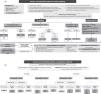
Fig. 1 shows the fundamental treatment algorithms for both severe adult and pediatric asthma.
![Therapeutic algorithm for severe uncontrolled asthma. (A) In adults and (B) in children and adolescents. (A) ACT: asthma control test; ACQ: Asthma Control Questionnaire; AGNC: severe uncontrolled asthma; BENRA: benralizumab; DUPI: dupilumab; Eos: eosinophils; FENO: fractional exhaled nitric oxide; FVC: forced vital capacity; IGC: inhaled glucocorticoids; EAGP: eosinophilic granulomatosis with polyangiitis; Ig: immunoglobulin; LABA: long-acting beta-2 agonists; MEPO: mepolizumab; OMA: omalizumab; PMNn: polymorphonuclear neutrophils; RESLI: reslizumab; RSCcPN: chronic rhinosinusitis with nasal polyposis; HES: hypereosinophilic syndrome; IAT: inhaler adhesion test; TEZE: tezepelumab. (1) If eosinophilia >500Eos/L, consider benralizumab and mepolizumab as first options; (2) if eosinophilia 300–500Eos/L and FENO ≥50ppb, consider dupilumabas first option; (3) if eosinophilia >1000Eos/L, consider an option other than dupilumab; (4) benralizumab if eosinophilia ≥150Eos/L; (5) if eosinophilia <150Eos/L, consider dupilumab. L, consider an option other than dupilumab; (4) benralizumab if eosinophilia ≥150Eos/L with at least one of the following: use of maintenance oral corticosteroids, RSCcPN ≥3 exacerbations in the previous year, FVC <65% predicted; (5) dupilumab if FENO ≥50ppb. When biological drugs are at the same level, they are listed alphabetically and this does not indicate order of choice. (B) The different treatment options with mAbs are listed in alphabetical order, as there are no comparative studies between them. The choice between one or the other will depend, as far as possible, on the associated comorbidities. AGNC: severe uncontrolled asthma; TEZE: tezepelumab. *If peripheral blood eosinophils >1500/**choose based on associated comorbidities: OMA if chronic idiopathic urticaria, MEPO if chronic rhinosinusitis with nasal polyposis or hypereosinophilic syndromes, DUPI if atopic dermatitis, eosinophilic esophagitis, or CRSPN. Modified from Ref. [1].](https://static.elsevier.es/multimedia/03002896/unassign/S0300289625004090/v1_202511280424/en/main.assets/gr1.jpeg?xkr=ue/ImdikoIMrsJoerZ+w9zfHQrK7O1GixshFj/RYvvhfIeFLIshOrwnoGDwJytw3KenaiVui5ZUjRraljueS4rIPd/G6vu56JFZYRjeu/rulwAx+SQuP/YNem01pU0f8zY9c2VuV/6yV36WZy44ZsgPqth2YJM0y+hcZtUF1Yq5kQ+1Jve1ejyy7GJwaFr5EBT7pjh5HhQMYoF6X5wL8hVS1npC2QrYKLmJDmJWulycQEGU5Yujh3DGuqWaRj4abF2EqxNt3+Drf6RpcvGdYLVhF+QU0wpT5lIzJXblROxFjZtOEWk2BG2Tro4z4bq+W "Therapeutic algorithm for severe uncontrolled asthma. (A) In adults and (B) in children and adolescents. (A) ACT: asthma control test; ACQ: Asthma Control Questionnaire; AGNC: severe uncontrolled asthma; BENRA: benralizumab; DUPI: dupilumab; Eos: eosinophils; FENO: fractional exhaled nitric oxide; FVC: forced vital capacity; IGC: inhaled glucocorticoids; EAGP: eosinophilic granulomatosis with polyangiitis; Ig: immunoglobulin; LABA: long-acting beta-2 agonists; MEPO: mepolizumab; OMA: omalizumab; PMNn: polymorphonuclear neutrophils; RESLI: reslizumab; RSCcPN: chronic rhinosinusitis with nasal polyposis; HES: hypereosinophilic syndrome; IAT: inhaler adhesion test; TEZE: tezepelumab. (1) If eosinophilia >500Eos/L, consider benralizumab and mepolizumab as first options; (2) if eosinophilia 300–500Eos/L and FENO ≥50ppb, consider dupilumabas first option; (3) if eosinophilia >1000Eos/L, consider an option other than dupilumab; (4) benralizumab if eosinophilia ≥150Eos/L; (5) if eosinophilia <150Eos/L, consider dupilumab. L, consider an option other than dupilumab; (4) benralizumab if eosinophilia ≥150Eos/L with at least one of the following: use of maintenance oral corticosteroids, RSCcPN ≥3 exacerbations in the previous year, FVC <65% predicted; (5) dupilumab if FENO ≥50ppb. When biological drugs are at the same level, they are listed alphabetically and this does not indicate order of choice. (B) The different treatment options with mAbs are listed in alphabetical order, as there are no comparative studies between them. The choice between one or the other will depend, as far as possible, on the associated comorbidities. AGNC: severe uncontrolled asthma; TEZE: tezepelumab. *If peripheral blood eosinophils >1500/**choose based on associated comorbidities: OMA if chronic idiopathic urticaria, MEPO if chronic rhinosinusitis with nasal polyposis or hypereosinophilic syndromes, DUPI if atopic dermatitis, eosinophilic esophagitis, or CRSPN. Modified from Ref. [1].")
Therapeutic algorithm for severe uncontrolled asthma. (A) In adults and (B) in children and adolescents.
(A) ACT: asthma control test; ACQ: Asthma Control Questionnaire; AGNC: severe uncontrolled asthma; BENRA: benralizumab; DUPI: dupilumab; Eos: eosinophils; FENO: fractional exhaled nitric oxide; FVC: forced vital capacity; IGC: inhaled glucocorticoids; EAGP: eosinophilic granulomatosis with polyangiitis; Ig: immunoglobulin; LABA: long-acting beta-2 agonists; MEPO: mepolizumab; OMA: omalizumab; PMNn: polymorphonuclear neutrophils; RESLI: reslizumab; RSCcPN: chronic rhinosinusitis with nasal polyposis; HES: hypereosinophilic syndrome; IAT: inhaler adhesion test; TEZE: tezepelumab. (1) If eosinophilia >500Eos/L, consider benralizumab and mepolizumab as first options; (2) if eosinophilia 300–500Eos/L and FENO ≥50ppb, consider dupilumabas first option; (3) if eosinophilia >1000Eos/L, consider an option other than dupilumab; (4) benralizumab if eosinophilia ≥150Eos/L; (5) if eosinophilia <150Eos/L, consider dupilumab. L, consider an option other than dupilumab; (4) benralizumab if eosinophilia ≥150Eos/L with at least one of the following: use of maintenance oral corticosteroids, RSCcPN ≥3 exacerbations in the previous year, FVC <65% predicted; (5) dupilumab if FENO ≥50ppb. When biological drugs are at the same level, they are listed alphabetically and this does not indicate order of choice.
(B) The different treatment options with mAbs are listed in alphabetical order, as there are no comparative studies between them. The choice between one or the other will depend, as far as possible, on the associated comorbidities. AGNC: severe uncontrolled asthma; TEZE: tezepelumab. *If peripheral blood eosinophils >1500/**choose based on associated comorbidities: OMA if chronic idiopathic urticaria, MEPO if chronic rhinosinusitis with nasal polyposis or hypereosinophilic syndromes, DUPI if atopic dermatitis, eosinophilic esophagitis, or CRSPN.
Modified from Ref. [1].
In the distribution by phenotypes, it is worth noting a change in relation to the 2022 consensus, returning to the division into T2 and non-T2, rather than high and low T2. Although this is a controversial issue, it was essential to standardise this distribution with that of Gema 5.5 [4] in order to provide an overview of a phenotypic scheme based on the biomarker levels currently accepted to define this classification. In this sense, the phenotypes, which form the basis for therapeutic strategies, are fundamentally divided into T2 allergic asthma, T2 eosinophilic asthma, and non-T2 asthma. This categorisation takes into account the underlying pathophysiological mechanism, the presence or absence of the inflammatory biomarkers used, the natural history, and specific clinical peculiarities. In addition, it is worth noting the inclusion of biological therapies targeting specific comorbidities, including those of the upper airway (rhinosinusitis with polyposis) and skin diseases (atopic dermatitis, chronic spontaneous urticaria, prurigo nodularis), as well as eosinophilic granulomatosis with polyangiitis (EGPA) and other eosinophilic diseases.
The assessment of response to treatment using the EXACTO [5] scale is maintained, as in the previous consensus of 2022, and a new assessment of remission according to the REMAS [6] scale is included, also recently published as an official SEPAR document.
Given the significance of chronic rhinosinusitis with nasal polyposis and its impact on asthma, this document also includes the consensus published by a large group of experts, specifically the algorithm of possible combined treatment scenarios in patients with severe asthma and this pathology [4].
Other important developments in preventive measures are the recommendations for vaccination against herpes zoster and respiratory syncytial virus.
In another area, it is worth highlighting the inclusion of agreed-upon quality indicators for severe asthma derived from the publication of the Carabela study [7]. The usefulness of consensus statements initiated by scientific societies remains very high. These consensus statements reflect the knowledge of professionals who routinely monitor patients with severe asthma.
Logically, they have a solid scientific basis derived from the most relevant published studies, both pivotal clinical trials and studies in routine practice, but filtered through the consideration and expert opinion of those who manage these patients in our field. This is even more important, especially in areas where the evidence is weak, and where the opinion of experts with experience in managing these patients can serve as a valuable reference for others. This document also complements existing guidelines, such as the recently published GEMA 5.5 [4], both due to its greater length and its approach, which is based not only on scientific evidence but also on the opinions of the experts who collaborated in the Delphi study.
We hope that this document will be as well-received as its predecessors, or even better, given the inclusion of important new sections such as the one on severe asthma in children and adolescents.
The ultimate goal of this document is to support professionals who regularly manage this condition and all those interested in the latest developments in the follow-up of patients with severe asthma. This consensus document is the result of nearly two years of hard work since its inception, with updates made in the month prior to its publication. However, the result has been well worth the effort.
In future updates, it will be essential to further emphasise the multidisciplinary approach to this condition, including professionals from other disciplines and specialities who also play a crucial role in its management, as well as patient associations.
CRediT authorship contribution statementAll signing authors participated in the preparation of the submitted manuscript and contributed to the writing and revision of its various versions.
Declaration of generative AI and AI-assisted technologies in the writing processFor the preparation of this manuscript, no artificial intelligence tools were used.
FundingNo funding was received for the preparation of this manuscript.
Conflict of interestFrancisco Javier Álvarez-Gutiérrez has received honoraria for consultancy, giving lectures, attending congresses and scientific meetings, and supplying materials from AstraZeneca, GlaxoSmithKline, Orion Pharma, and Sanofi/Regeneron. Part of these collaborations were carried out via SEPAR.
Francisco Casas-Maldonado has received honoraria for consultancy; lecturing; participation in educational events; support to attend scientific meetings; and serving on advisory boards from AstraZeneca, Boehringer-Ingelheim, CSL Behring, GlaxoSmithKline, Grifols, and Sanofi/Regeneron.
José Valverde-Molina has received honoraria for lecturing and participating in educational activities, as well as support for attending congresses and scientific meetings from AstraZeneca, Gebro Pharma, GlaxoSmithKline, and Sanofi.