The conceptual framework underpinning the management of interstitial lung disease (ILD) has significantly evolved over the past decade [1,2]. Although idiopathic pulmonary fibrosis (IPF) is characterised by a progressive course, there is increasing recognition that some non-IPF ILDs also can have a similar clinical course [3]. This prompted the concept of progressive pulmonary fibrosis (PPF), with several landmark clinical trials demonstrating benefit of antifibrotic therapies in this context [4–7], as well as the first clinical practice guideline published in 2022 [2]. These and many other publications have generally defined PPF as a non-IPF ILD that has demonstrated disease progression; however, with variability in how progression is defined [2]. In this editorial, we review the definition of PPF and comment on the strengths, limitations, and future considerations of PPF as these apply to clinical trials, guidelines, and patient care.
The guideline definition of PPF is the presence of at least 2 of the following occurring within the past year: worsening respiratory symptoms, physiological evidence of disease progression, and radiological evidence of disease progression [2]. Alternative explanations of worsening must also be excluded. There have been relatively minor variations in how PPF is defined among clinical trials. For example, in the INBUILD trial, a relative FVC decline≥10% predicted over 2 years met PPF criteria [4]; while in the unclassifiable ILD trial, an absolute FVC decline>5% predicted within 6 months was used [5]. When PPF definitions from various trials were applied to Canadian and Australian ILD registries, these consistently showed that survival of PPF was similar to IPF, but with the exception that patients meeting progression criteria used in the unclassifiable ILD trial had better average survival [8]. These consistent findings demonstrate that variations in PPF definitions identify similar cohorts and that a flexible definition better acknowledging patient-specific considerations is preferred.
There have been several randomised controlled trials demonstrating that antifibrotics slow lung function decline in non-IPF forms of PPF [4–7,9]. These trials enrolled only patients with previously observed progression in order to enrich for patients at greater risk of future progression, allowing more efficient study conduct given the greater statistical power. Clinical indications have mirrored this major eligibility criterion, typically limiting funding of these medications to patients meeting criteria for PPF. However, it is important to appreciate that the goal of these trials was to show benefit of a medication within a relatively short time frame and in as small a sample size as possible. As a result, there may be some patients who could benefit from a medication despite not meeting funding criteria. This raises an important consideration of how to conduct trials that will translate to more equitable access to treatment in the real-world, including additional trials of currently approved PPF therapies.
Nintedanib was the first approved treatment for patients with PPF in 2020 and there is expected widespread approval of nerandomilast in 2026. Pirfenidone has also been used in PPF by some clinicians in an off-label situation. The first PPF clinical practice guideline was published in 2022, providing both a standardised definition and management recommendations for PPF [2]. This was a timely and valuable publication that came shortly after the surge of clinical trials for antifibrotics in non-IPF ILDs and supported the application of this evidence to patient care. However, guidelines are limited in the number of clinical questions that can be addressed and there is often insufficient or low-quality data to make strong recommendations. This limitation particularly affected the lack of a recommendation in favour of using pirfenidone for management of PPF, with the available evidence considered insufficient to justify a positive recommendation given some of the challenges in the conduct and analysis of these trials [2]. It is hoped that a future dedicated PPF clinical practice guideline will address these and other clinically relevant questions, including how to optimally identify those at increased risk of progression and how to prioritise different treatment options (e.g., antifibrotic versus immunosuppression).
Although PPF as a disease label has supported patient advocacy, fundraising, and education, there remain major opportunities for further improvement in these efforts. Additional ongoing uncertainties include knowing what rate of progression is clinically meaningful and how to support patients who are progressing but do not (yet) meet the definition of PPF. In addition, there is a need to improve antifibrotic tolerability, particularly among those who have worse outcomes. For example, frailty is associated with worse survival in ILD [10], yet frail patients with IPF are more than twice as likely to discontinue antifibrotic medications than fit patients [11].
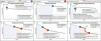
Although important strides have been made in the management of PPF, there remains missed opportunity to treat patients earlier in their disease course. Currently, patients need to progress based on PPF criteria before receiving treatment; however, this progression is irreversible, clearly highlighting the downsides of this conventional approach. An alternative approach is to acknowledge that the presence of substantial fibrosis at baseline already confirms the presence of progressive fibrosis in some settings (Fig. 1), This acknowledges that there are only rare and readily identifiable exceptions in which a transient process caused a fibrotic lung injury that is unlikely to progress (e.g., fibrosis from an acute reaction to a pneumotoxic medication or post-acute respiratory distress syndrome [ARDS]). In other clinical situations (e.g., systemic autoimmune related disease [SARD-ILD], fibrotic HP, unclassifiable ILD), the presence of substantial fibrosis at baseline can be taken to infer the presence of a disease process that will continue to progress. In this situation, it is unclear which patients might benefit from early initiation of antifibrotic medication, indicating an important need for additional studies in this at-risk population.

Common disease behaviour patterns and frequent treatment approach for non-IPF ILD. All management decisions should be tailored to individual patient details. Panel A: Initial insult causing a lung injury, typically diagnosed at the time of that injury (e.g., radiotherapy, infection), followed by potential initial improvement and then relative stability that does not typically require long-term pharmacotherapy. Panel B: Slowly progressive disease, often diagnosed through screening (e.g., SARD-ILD) or incidentally (e.g., RB-ILD) with low need for long-term therapy. Panel C: Rapid onset of worsening and subsequent improvement with early treatment or elimination of an initial trigger (e.g., SARD-ILD, some drug-associated ILD). Some patients have a pre-clinical period of slow worsening but are usually diagnosed during the initial acute illness. Most patients are initially treated with high-dose short-term immunosuppression for an initial inflammatory process, followed by consideration of long-term therapy for chronic slowly progressive disease, which usually consists of ongoing immunosuppression. Panel D: Progressive fibrosis (e.g., some SARD-ILD, many fHP), typically diagnosed when reaching a severity of disease associated with clinically significant symptoms. Immunosuppression is considered at the time of diagnosis, with antifibrotic therapy typically only permitted after additional observed progression. Patients may be candidates for lung transplant in the long-term. Panel E: Rapidly progressive fibrosis (e.g., some SARD-ILD, some fHP), typically diagnosed when reaching a severity of disease associated with clinically significant symptoms. Immunosuppression is often considered at the time of diagnosis, with antifibrotic therapy typically only permitted after additional observed progression. Patients may be candidates for lung transplant, even with treatment. Panel F: Progressive fibrosis with acute exacerbation (e.g., rarely SARD-ILD, rarely fHP), typically diagnosed earlier in disease prior to the exacerbation when reaching a severity associated with clinically significant symptoms. Immunosuppression is often considered at the time of diagnosis, with antifibrotic therapy typically only permitted after additional observed progression. Patients may be candidates for lung transplant, even with treatment.
Patient preferences, needs, and values remain at the centre of patient care and should similarly drive research priorities. Clinical trials in ILD have struggled to show improvement in outcomes that patients value most, such as symptoms and quality of life. This could be due to treatments merely slowing progression and not reversing scarring, imprecision and heterogeneity in patient-centred outcome measures, and complexity of quality of life, which is influenced by many factors (e.g., environment and social supports). A research statement on patient-centred outcomes in ILD identified key areas that should remain at the forefront of future focus: quality of life, symptoms, functional status, psychological and emotional well-being, hospitalizations and survival, supplemental oxygen needs, and acquisition of knowledge [12].
The concept of PPF has led to multiple advances in clinical trials that have stimulated further recognition in clinical practice guidelines and improvements in patient care. Despite these advances, there remain some uncertainties in how to most appropriately define PPF and there continue to be missed opportunities to treat high-risk patients earlier in their disease course while waiting for PPF criteria to be met. Future research is needed to address these and other knowledge gaps such that appropriate patients have improved access to beneficial treatments.
Conflict of interestAWW reports consultancy fees from Boehringer Ingelheim.
CJR reports research funding from Boehringer Ingelheim and consultancy fees from Boehringer Ingelheim, AbbVie, Bristol-Myers-Squibb, Pliant Therapeutics, Astra Zeneca, Trevi Therapeutics, Avalyn, Veracyte, and Merck.